Discount Doesn't Always Mean a Deal: The Complicated Truth About Outlet Value

There's a moment every bargain hunter knows well. You're standing in an outlet store, holding something that looks incredible, priced at what feels like a steal. Your brain is already celebrating. But somewhere in the back of your mind, a quieter voice is asking: is this actually worth it?
That tension — the gap between what a discount feels like and what it is — sits at the heart of outlet shopping. And honestly? It's more complicated than most people want to admit.
Let's get into it.
When Paying Less Actually Means Getting More
First, the good news: genuine outlet value absolutely exists. It's not a myth. It just requires knowing where to look.
The clearest example is true retail overflow. When a brand overproduces a seasonal line — say, a jacket that didn't move fast enough before spring hit — those units often end up at outlet locations or discount marketplaces at real, significant reductions. The product is identical to what sold at full price. The only thing that changed is timing. If you're shopping off-season with flexibility on style, this is the sweet spot.
Similarly, discontinued colorways and end-of-line styles often get routed to outlet channels. A sneaker in a color that didn't test well in focus groups is still the same shoe. Same materials, same construction, same durability. The brand just didn't want to risk full-price shelf space on it. Your gain.
Then there's the factory second category — items with minor cosmetic imperfections that don't affect performance or longevity. A slight thread pull on an interior seam. An almost-invisible misprint on a tag. These get marked down heavily, sometimes 50 to 70 percent, for flaws that most people would never notice in a decade of regular use. For everyday goods — workwear, basics, home essentials — factory seconds are often genuinely excellent value.
The Cases Where Cheaper Means Less
Here's where it gets uncomfortable.
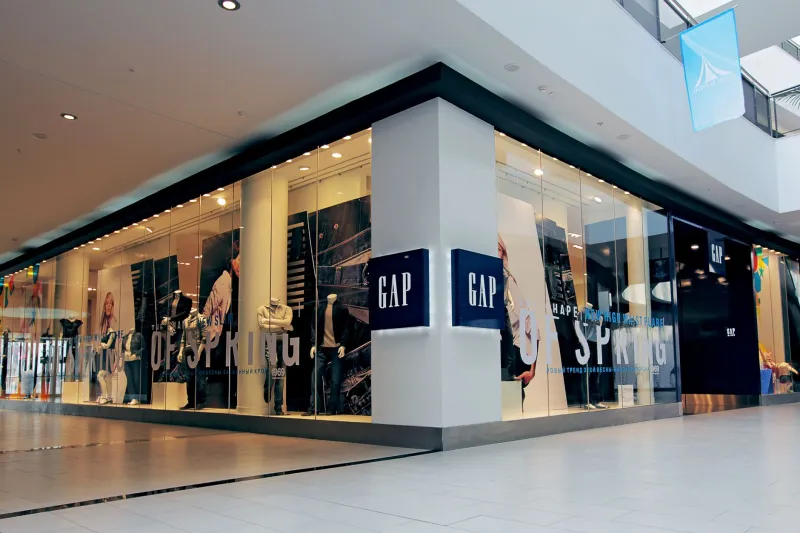
A significant portion of what you'll find at outlet stores — estimates from industry analysts have ranged as high as 85 percent for some major retailers — was manufactured specifically for the outlet channel. It was never a $280 blazer that got marked down. It was always a $90 blazer wearing the same label, built to a lower spec, priced to look like a discount.
This practice isn't illegal. It's not even hidden, exactly. But it's rarely announced either. The giveaways are subtle: slightly thinner fabric, simpler lining, fewer reinforcement stitches, hardware that feels a little lighter than you'd expect. The label says the same name. The vibe says the same brand. But the product underneath is a different animal.
Then there's the outdated style problem. Some outlet merchandise isn't lower quality — it's just two or three seasons behind. For basics and classics, that doesn't matter much. But if you're buying anything trend-adjacent, you might be getting a deal on something that's already past its cultural moment. Worth considering before you load up on statement pieces.
Finally, watch for inflated original prices. The "was $350, now $89" tag only means something if the item was actually $350 somewhere. Some outlet pricing uses reference prices that were never realistic retail values. It's a psychological trick — anchor the customer high, then make the real price feel like a rescue.
Real-World Case Studies
The Cookware Scenario: A well-known kitchen brand sells a 10-piece cookware set at outlet locations for around $180, compared to $420 at department stores. In this case, the set is genuinely the same product — an overstock from a prior season's promotional push. The value is real. Shoppers who do the homework walk away with an honest win.
The Denim Situation: A popular denim brand sells outlet-exclusive jeans under the same label as their mainline product. Side-by-side comparison reveals lighter denim weight, simplified stitching, and a slightly different cut. The outlet jeans aren't bad jeans — but they're not the same jeans. At $49 vs. $135, some buyers are fine with that tradeoff. Others feel misled when they figure it out later.
The Sneaker Story: A running shoe brand routes last season's performance trainers to outlet channels when the new model drops. The older shoe is technically a previous generation, but for casual runners and everyday wear, the performance difference is negligible. This is a classic case where the discount reflects timing, not quality — and the buyer wins.
How to Evaluate Any Outlet Deal Before You Commit
You don't need to be an expert to shop smarter. You just need a quick mental checklist.
Check for an original retail listing. Before you buy, spend 60 seconds searching the item online. If you can find the same product at a full-price retailer, you know the markdown is real. If you can't find it anywhere else, that's a signal it may be outlet-exclusive.
Handle the product. Weight, texture, and finish tell you a lot. Compare what you're holding to your memory of the brand's mainline products. If something feels off — thinner, lighter, flimsier — trust that instinct.
Look at the label carefully. Some brands use slightly different product codes or style names for outlet-specific goods. A mainline product will often have a style number you can search. An outlet-exclusive may not.
Ask yourself the style question. Is this something you'd wear or use right now, or is it a deal you're buying because it's a deal? Outdated styles at deep discounts still represent money spent on something you won't reach for.
Run the math on your actual use. A $60 item you use 200 times is a better value than a $15 item you use twice. Outlet pricing is most powerful when it applies to things you'd buy anyway at full price.
The Bottom Line
Outlet shopping isn't a scam. But it's not a guaranteed win, either. The brands that use outlet channels as a genuine clearance mechanism offer real value to savvy shoppers. The brands that treat outlet stores as a parallel product line — same logo, different everything else — are playing a different game.
The good news? Once you know the difference, you can play it too. The deals are out there. They just reward the people who show up prepared.
At 51 Outlet, we're in the business of helping you find the ones that are actually worth it. Big brands, bigger savings — but only when the savings are real.