Not What You Think: The Secret Second Life of Outlet Store 'Designer' Goods
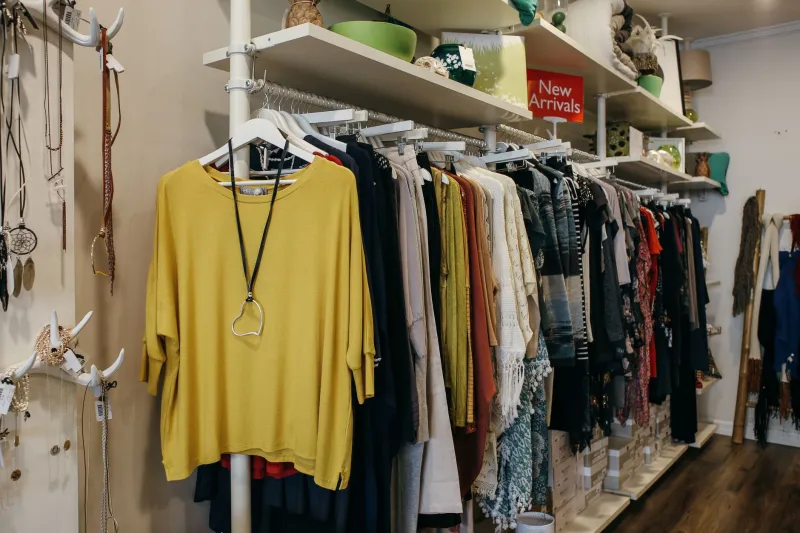
There's a particular kind of thrill that comes with walking out of an outlet store holding a bag stamped with a name you recognize — Polo, Kate Spade, Calvin Klein. The tag says it's the real deal. The logo looks right. And you paid a fraction of what you'd drop at the mall. Feels like a win, right?
Maybe. But maybe not in the way you think.
Here at 51 Outlet, we're all about helping you stretch your dollar further — and that means being straight with you about something the retail industry doesn't exactly advertise: a huge portion of what you find in outlet stores was never intended for full-price retail. It was manufactured specifically to be sold at a discount. The "markdown" you're celebrating? It's largely a fiction.
The Outlet-Only Product Line: A Retail Industry Open Secret
Major brands figured out decades ago that outlet shopping was a goldmine — not just for moving excess inventory, but as its own standalone business model. According to retail analysts, somewhere between 50% and 85% of merchandise at many large outlet stores is what the industry calls "made-for-outlet" (MFO) product. That means it was designed, manufactured, and priced with the outlet channel in mind from day one.
This isn't a niche practice. Brands like J.Crew, Gap, Banana Republic, Michael Kors, and dozens of others maintain essentially two separate product lines. One goes to flagship stores and department store partners. The other — subtly different in construction, materials, and detailing — heads straight to the outlet.
Neither line is necessarily bad. But they're not the same thing, and you deserve to know which one you're holding.
How the Quality Actually Differs (And When It Matters)
The differences between full-price and outlet-specific goods vary a lot by brand and category. In some cases, the gap is minimal — a slightly different fabric blend, a simplified lining, fewer reinforced stress points. In others, it's more significant: thinner leather, looser weave, lower thread counts, or hardware that's more decorative than durable.
For everyday basics — a crewneck sweatshirt, a plain tee, a canvas tote — the distinction might not matter much to you. If it holds up for two or three seasons and you paid $18 for it, that's a solid deal on its own terms.
But if you're shopping for something you expect to last — a leather handbag, a winter coat, a pair of boots — the construction shortcuts in outlet-exclusive merchandise can add up. That's when understanding what you're actually buying becomes genuinely important.
Decoding the Hang Tag: What to Look For
The good news is that brands are required to label their goods accurately, even if they're not required to spell out "hey, this was made for our outlet store." A few things to look for:
Check the style number. Many brands use a different naming or numbering convention for outlet-exclusive items. If you can look up the style number on the brand's main website and it doesn't appear there — or shows up only on outlet-specific pages — that's a tell.
Look at the fabric content tag. Compare it against full-price versions of similar items when you can. A cashmere sweater at the outlet that's actually 70% acrylic/30% cashmere is a very different product from the 100% cashmere version sold at Nordstrom.
Examine the construction. Flip the item inside out. Look at the seams. Are they finished cleanly? Check the stitching density — more stitches per inch generally means more durability. On leather goods, check where panels are joined and whether hardware feels solid or hollow.
Notice the branding placement. Some shoppers have observed that outlet-exclusive items tend to lean heavier on visible logos and branding — which can be a way to signal "luxury" without investing in the underlying quality that actually justifies a luxury price.
The Phantom Markdown Problem
Here's where it gets a little uncomfortable. Most outlet stores display a "compare at" or "original price" figure alongside the outlet price. That comparison implies the item was once sold — or is currently sold — at a higher price point elsewhere.
For made-for-outlet merchandise, that comparison is misleading at best. The item was never priced at that "original" figure in any real retail context. The Federal Trade Commission has guidelines around deceptive pricing, and several major retailers have faced class action lawsuits over exactly this practice. Some have settled for tens of millions of dollars.
The outlet price can still be a genuinely good value — but it should be evaluated on its own merits, not against a phantom retail price that was never real.
So Should You Still Shop Outlets? Absolutely.
None of this means outlet shopping is a scam. Far from it. Knowing the landscape actually makes you a better outlet shopper, not a more cynical one.
True overstock and past-season merchandise does show up at outlets — especially at off-price retailers like Nordstrom Rack, T.J. Maxx, and Marshalls, which operate on a slightly different model than brand-owned outlet stores. Scoring a genuine full-price item at a steep markdown is very much possible, especially if you know what to look for.
And even made-for-outlet merchandise can be a smart buy when you go in with clear expectations. If you want a decent-looking polo for a summer cookout and you're paying $25 for it, the fact that it's not the same construction as the $95 version at the brand's flagship store is... fine. You priced it accordingly.
The trap isn't the outlet itself. The trap is paying outlet prices while believing you're getting full-price quality — and that's entirely avoidable once you know what questions to ask.
A Quick Field Guide for Your Next Outlet Run
Before you head out (or click through to your next online outlet deal), keep these habits in mind:
- Research before you go. Look up the item on the brand's main website. If you can find an identical or near-identical product, compare the specs.
- Feel the weight. Heavier fabrics and denser materials generally signal better construction. This is especially true for knitwear, denim, and outerwear.
- Ignore the "compare at" price. Evaluate whether you'd pay the outlet price for the item if there were no comparison figure at all.
- Ask yourself: does this feel like a deal, or does it just feel like a deal? Your gut often knows the difference between genuine value and clever staging.
At 51 Outlet, we believe the best bargain is one you walk away from feeling genuinely good about — not just in the parking lot, but six months later when the thing is still holding up. Understanding the outlet ecosystem is how you get there.